
Men’s Mental Health Month: Part two: Strength, struggle and staying human

Across iGaming, we celebrate growth, scale, innovation and performance – but Men’s Mental Health Month offers something different: a pause. A moment to look past titles, travel schedules, deliverables and leadership expectations, and ask: How are the men in our industry really doing?
Part one of this series showed us that vulnerability creates connection. After that piece went out, more men reached out. They wanted to contribute, to be honest, to share the parts of their journey that rarely make it into boardroom conversations or LinkedIn updates. This second column brings together four very different experiences – recovery, entrepreneurship, identity and brotherhood – but all echo the same truth: silence serves no one.
‘Keeping quiet was killing me’ – Mark Schmidt
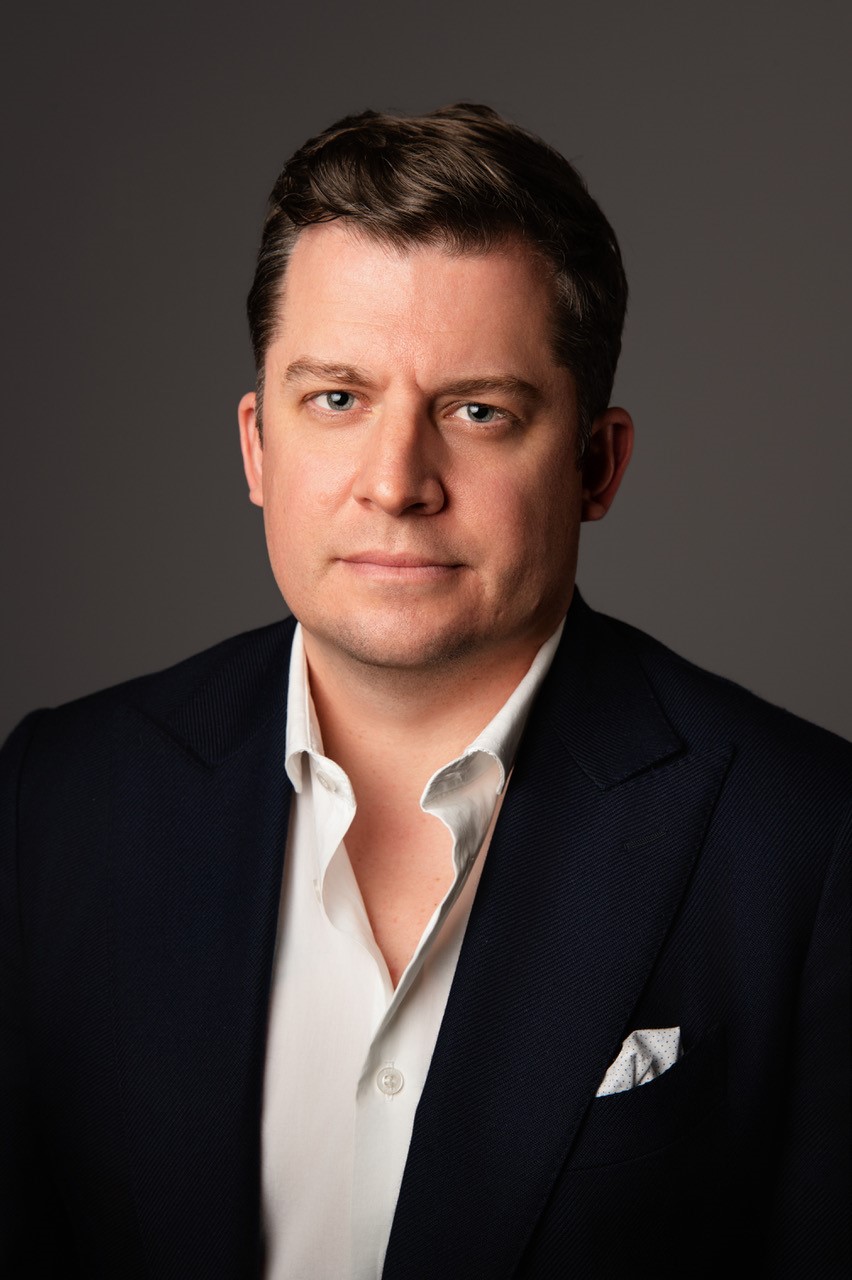
managing director, Africa, EveryMatrix (South Africa)
Mark doesn’t soften his language when he speaks about addiction and mental health – and that is part of the impact.
“It was very clear to me that keeping quiet and not talking was one of the major reasons life became unmanageable,” he says. His most recent visit to rehab was a turning point: “I let go of the shame I was carrying. I started having very open and very difficult conversations.”
In an industry where leaders are often expected to remain composed at all costs, he made a different choice – he chose truth over image. “I realised that in iGaming, addiction, substance abuse and mental health struggles aren’t isolated to me. They are everywhere. Speaking up wasn’t courage; it was survival.”
He is open about the challenges of early sobriety, especially while leading a fast-growing African region. “The first few months were difficult,” he says. “But over time, managing stress, expectations, rapid growth and entertainment became easier. I have very firm boundaries. And I’m incredibly fortunate to have my wife by my side – she knows me better than anyone.”
Sobriety changed not only his lifestyle, but his entire leadership identity.
“This has been the most successful year of my career,” he reflects. “It’s down to being authentic. Not worrying about what others think. Being honest, direct, human.”
For men who are quietly struggling, his message is beautifully simple: “Your situation isn’t unique. People all over the world are dealing with the same battles. Ask for help. I’ll always be open to being the person they reach out to.”
Today, Mark works with the Recovery in Gaming (RiG) initiative; offering support, anonymity and community to others who need it.
His honesty reminds us that vulnerability is not an interruption to leadership, but it’s part of the foundation of it.
‘It’s been a lonely journey, but I believe in the vision’ – Ayofemi Akinlaja
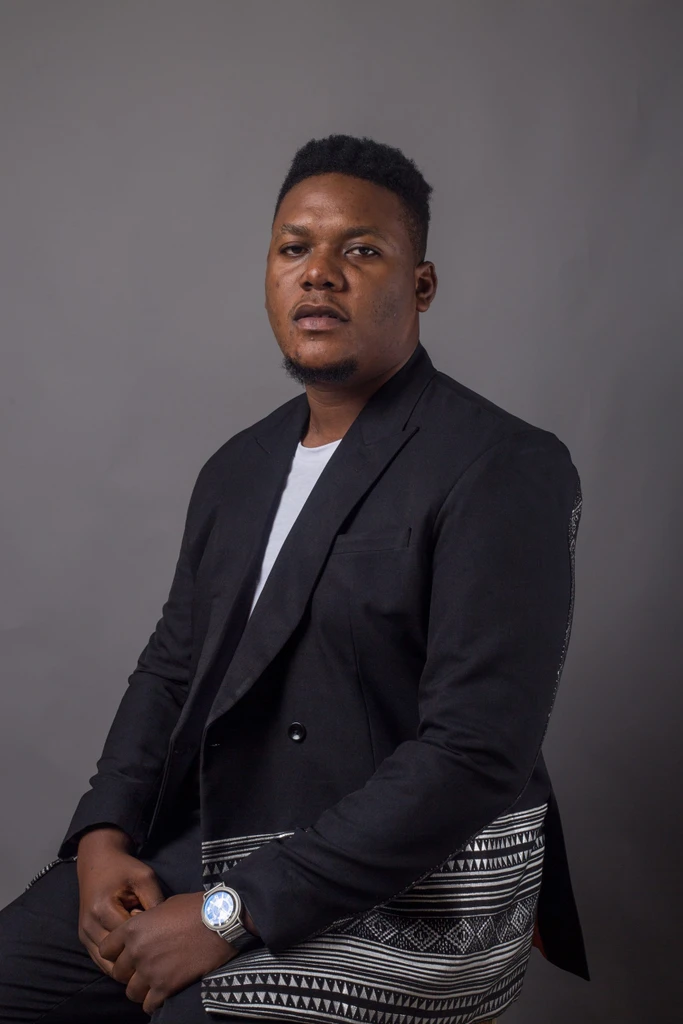
founder and CEO, Shacks Evolution Studios (Nigeria)
Ayofemi represents a different kind of pressure: the pressure of building something no one else in Africa has built before.
“When I started this company, I wanted to be the biggest provider from Africa,” he says, not with arrogance, but with clarity of purpose. His story is defined by persistence, discipline and faith. And he is frank about the emotional cost of building ‘from scratch’ in a market dominated by global giants.
“It’s really tough not to be emotional,” he says. “You quit everything to focus on one thing, knowing that if it fails, you’re done.” As a solo founder, he has faced technical setbacks, scepticism and moments that would have broken many. He recalls losing a “major, major deal” in 2022 because of early technical issues – a blow that could have ended the story.
“But I kept showing up,” he says. “People used to ask, ‘Who is this young guy trying to do what nobody has done?’ But the more they saw me, the more they respected the work. Eventually the ‘no’ became ‘maybe’. And then ‘we’re listening’.”
Navigating credibility, age bias and an evolving African market requires a mix of strategy and emotional resilience. “I gave myself five years to build something meaningful,” he explains. “My belief in this dream has never wavered.”
His wellbeing strategy is refreshingly practical: “Hire the right people. Reassess constantly. Keep evolving. Fear will try to creep in – don’t let it.”
And to other African men wanting to launch gaming or tech ventures, he offers advice both grounded and hopeful: “Cast away fear. Build lean. Be persistent, resilient, diligent. Challenges will come but they won’t be the end of you.”
His journey is a reminder that innovation in Africa is not emerging – it’s already here, carried by founders who refuse to give up.
‘You may feel unseen, but you are not alone’ – Sipho Hobongwana
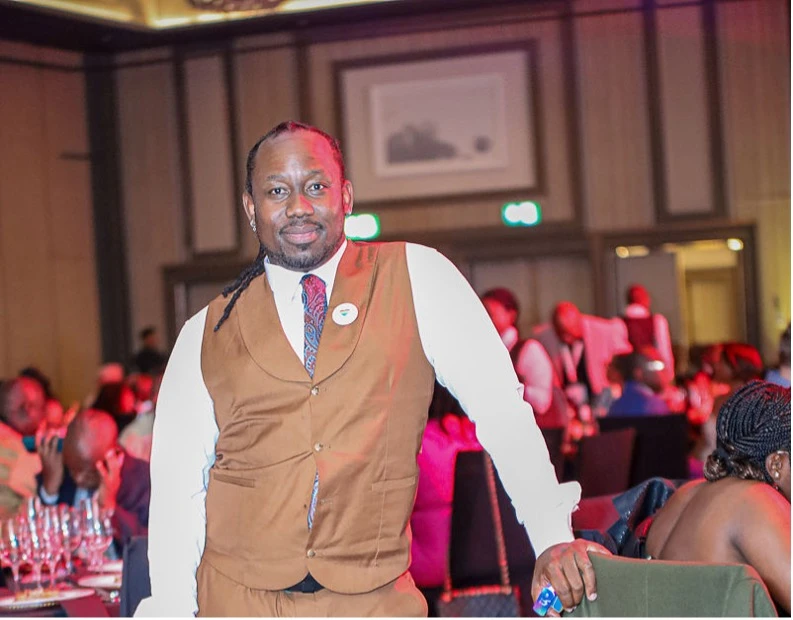
personal assistant to the chief strategic advisor, National Gambling Board (South Africa)
Sipho’s experience shines a light on a quieter, often overlooked mental health reality: the emotional labour of navigating identity in environments where LGBTQ+ representation is limited.
“Being an LGBTQ+ professional at a National Regulator has been a balancing act,” he says. “I’ve had to read the room before being fully myself. Sometimes just being publicly present feels like the first step towards change.”
He speaks warmly about the executives and colleagues who have become unexpected champions: “One of my highs has been finding supporters who value my work ethic, integrity and perspective – regardless of identity. They helped build my confidence and self-leadership.”
But he is honest about the loneliness too. Without visible LGBTQ+ networks in African gaming, much of the journey has been walked alone. “There have been moments where I’ve had to conceal parts of myself to avoid unnecessary attention,” he shares. “But as I’ve grown, I’ve gained confidence in maintaining my boundaries while being transparent.”
His mental health practice reflects maturity beyond his years: community, therapy, grounding routines and remembering that identity is only one part of who he is. “Before my title, I’m a human,” he says. “Checking in with myself has become essential.”
His message to others is both gentle and powerful: “You may feel unseen, but you are not alone. Your existence already challenges the narrative of who belongs. Authenticity is not a weakness – it’s a quiet form of leadership.”
Sipho’s story widens the lens on representation, reminding us that inclusion is not abstract – it’s deeply personal.
‘We don’t compete. We build together’ – Moshe & Ashley Adir
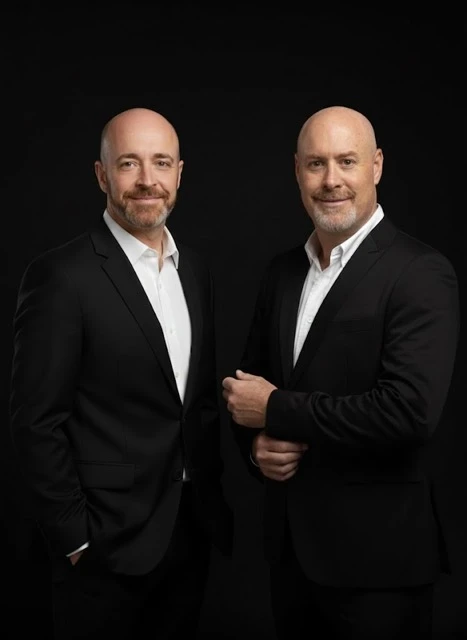
founder and co-founder, Vegas Kings (South Africa)
Very few business stories sound quite like this one. For more than 27 years, Moshe and Ashley have built Vegas Kings – and built it together, shoulder-to-shoulder, as brothers.
Moshe describes their partnership in a way only siblings can: “We function as two parts of one whole. The biggest strength is absolute trust.”
Every morning begins with a hug. “It sets my compass for the day,” he says.
Ashley brings his own perspective: “When the chips are down, we put our heads down and grind it out – no signalling needed. After 27 years, it just flows.”
Their dynamic is a yin-yang blend that works because it’s intentional. Moshe is the dreamer chasing “shiny objects”, while Ashley is the grounded operator with laser focus. They split responsibilities 50/50, respect each other’s lanes and refuse to let ego take root.
“People warn against working with family,” Moshe says, “but our secret is simple – stop competing. Let the ego go. Build the dream together.”
Their wellbeing approach is honest – they are workaholics. They don’t switch off, but they feed their creativity through side passions: music, AI, innovation. “It’s the entrepreneur’s curse,” Ashley laughs. “But we wouldn’t have it any other way.”
Their story is a testament to trust, consistency, emotional maturity and love – and a reminder that male vulnerability isn’t always loud. Sometimes it looks like showing up for each other every day, for decades.
Closing
These stories matter because they reveal something our industry often forgets: beneath the pressure, pace and performance, men carry complexity too – identity questions, recovery, loneliness, burnout, brotherhood, responsibility and the quiet courage to keep going.
Our work around mental health and inclusion continues, and we welcome more voices. If you – or someone you know – has a story worth sharing, please reach out. Silence helps no one.
About Women in Gaming Africa
Women in Gaming Africa (WiG Africa) is a non-profit community connecting, elevating and empowering women across the continent’s gaming industry.
Through events, mentorship and advocacy, WiG Africa champions representation, leadership and inclusion while fostering a stronger, more connected African gaming ecosystem. Learn more or get involved at www.womeningamingafrica.org.